


As highly pathogenic H5 bird flu (H5N1) continues to be detected in wild birds across parts of Australia, Pet Insurance Australia is encouraging dog and cat owners to take a few simple precautions to help keep their pets safe.
While bird flu primarily affects wild birds, Australia’s Department of Agriculture, Fisheries and Forestry (DAFF) advises that cats and dogs can, in rare cases, become infected after coming into contact with or consuming infected birds or other infected animals. Overseas investigations have also linked infections to contaminated raw pet food and unpasteurised milk.*
The good news is that there is currently no evidence of H5 bird flu in Australia’s commercial poultry industry, and the risk to the general public remains low^. However, as more cases are identified in wild birds, experts say awareness is key.
“Australia has some of the strongest biosecurity measures in the world, and there is absolutely no reason for pet owners to panic,” said Nadia Crighton, spokesperson for Pet Insurance Australia.
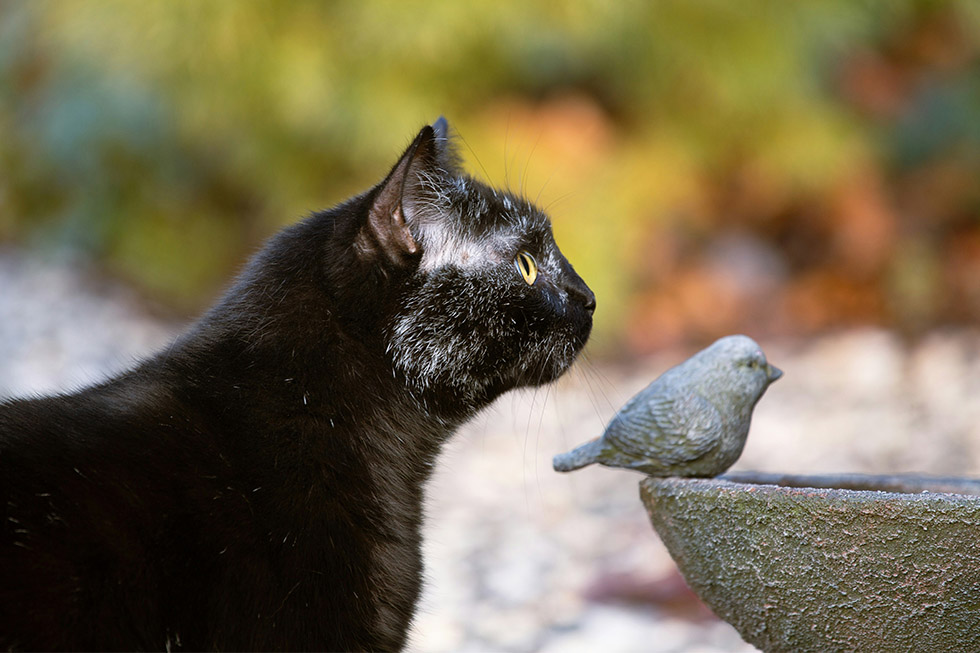
“This is about being informed, not fearful. Dogs love to investigate new smells and objects, while cats are natural hunters. Unfortunately, those instincts can put them at risk if they come across a sick or dead bird.”
Recent government advice recommends keeping dogs on a lead in areas where wild birds congregate, such as beaches, wetlands and lakes, while keeping cats indoors where possible to reduce the likelihood of hunting wild birds*.
“For pet owners, it’s just a case of being a little more vigilant with what our pets are scavenging to prevent the spread of bird flu and to also keep your pets safe,” Crighton says. “While the risk remains low, pets can become infected if they eat or investigate sick or dead birds, come into contact with contaminated bird droppings, or consume contaminated raw animal products.
Can Dogs and Cats Catch Bird Flu?
Although cases remain uncommon, international evidence shows that dogs and cats can become infected after exposure to infected birds or contaminated animal products.*
Symptoms may include:
- Fever
- Lethargy
- Loss of appetite
- Red or inflamed eyes
- Eye or nasal discharge
- Coughing or sneezing
- Difficulty breathing
- Tremors or seizures
- Loss of coordination
- Sudden collapse in severe cases*
“These symptoms aren’t unique to bird flu, which is why owners should never try to diagnose their pet at home,” Crighton said. “If your dog or cat has been near a sick or dead bird and suddenly becomes unwell, contact your veterinarian immediately. Early assessment is always the safest option.”
Five Simple Ways to Help Protect Your Pets
Pet Insurance Australia recommends owners:
- Keep dogs on a lead around beaches, wetlands and waterways where wild birds gather.
- Keep cats indoors where practical, particularly while authorities continue monitoring the spread.
- Never allow pets to investigate, catch or eat sick or dead birds.
- Prevent wild birds from accessing your pet’s food and water bowls.
- Wash your hands after handling wildlife or visiting areas where sick birds have been found.
Crighton says the situation also highlights the importance of preventative pet care.
“We often remind owners to watch for paralysis ticks, snakes, poisonous plants and toxic foods. Bird flu is another reminder that our pets don’t always recognise danger when they encounter it.”
“Fortunately, the steps needed to reduce the risk are simple. By staying aware of your surroundings and preventing contact with sick wildlife, owners can continue enjoying the outdoors with confidence.”
Authorities are also reminding Australians never to touch sick or dead birds. Instead, record the location and report it to the Emergency Animal Disease Hotline on 1800 675 888.^
Sources
* Department of Agriculture, Fisheries and Forestry (DAFF) – Advice for Veterinarians: Highly Pathogenic Avian Influenza (H5N1)
https://www.agriculture.gov.au/biosecurity-trade/pests-diseases-weeds/animal/avian-influenza/help-protect/vets
^ Department of Agriculture, Fisheries and Forestry (DAFF) – Bird Flu (H5N1) Information and Public Advice
https://www.agriculture.gov.au/campaigns/birdflu
Post Views: 1

Nadia Crighton is a renowned and accomplished professional in the fields of Journalism, Public Relations, and Writing, with an extensive career spanning over 25 years, 20 of which have been dedicated to promoting the health and well-being of pets.
We offer award-winning* pet insurance policies to protect your furry friend’s health and wellbeing. Get a quote today and give your pets the care they deserve.