

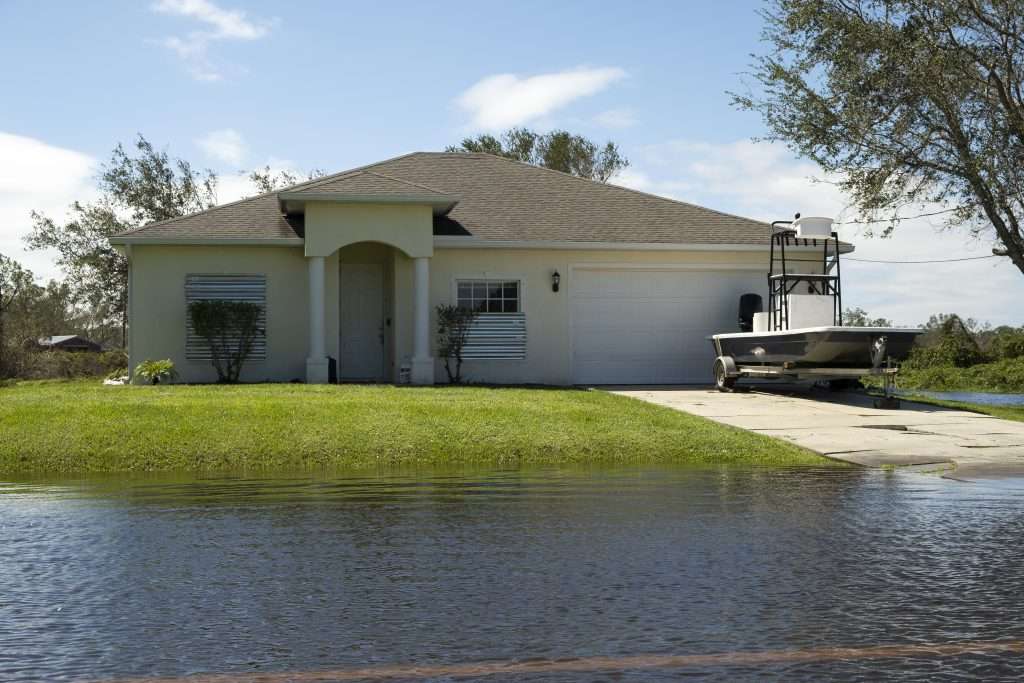

Hurricane season runs from June 1 through November 30. By the time a named storm appears on the forecast, most preparation options are already off the table. Contractors are booked, supplies are gone, and your insurance options are locked in for that storm.
Preparation is what separates households that come through a storm financially and physically intact from those that absorb damage they could have prevented. It is not glamorous work. It is documentation, inventory, structural fixes, and conversations with your insurance agent that most people put off until it is too late.
According to FEMA, the best time to prepare for hurricanes is before the season begins. The agency emphasizes that hurricane hazards extend far beyond the coast, with heavy rain, flooding, and wind damage affecting communities hundreds of miles inland.
This guide walks through the steps every homeowner should take to prepare for hurricane season, from insurance review to structural protection to documentation that will matter if a claim is filed.

Start With Your Insurance Coverage
The single most important preparation step happens before any storm forms. It is reviewing your insurance coverage to confirm it actually protects what you own.
Three areas deserve specific attention.
Confirm Your Dwelling Coverage Reflects Current Rebuild Costs
Rebuilding costs have risen sharply over the past five years. A dwelling limit set in 2020 may no longer reflect what it would actually cost to rebuild your home today. Our article on replacement cost vs. actual cash valueexplains how settlement methods work and why your limit needs to be reviewed regularly.
Understand Your Hurricane and Wind Deductibles
Many states allow insurers to apply separate hurricane or named-storm deductibles, which are typically calculated as a percentage of your dwelling coverage rather than a flat dollar amount. A 5 percent hurricane deductible on a $400,000 home is $20,000, due before insurance begins paying. Knowing your specific deductible structure ahead of time prevents an unwelcome surprise after a claim.
Buy Flood Insurance Now, Not Later
Standard homeowners insurance does not cover flooding. Most flood policies have a 30-day waiting period, which means you cannot purchase coverage when a storm is already in the forecast. According to FEMA, homeowners should begin the flood insurance process before the season starts. Coverage is available through the National Flood Insurance Program or through private insurers. Our flood insurance article covers how the policies work in detail.

Document Your Home and Belongings
If a storm damages or destroys your home, the claim process moves dramatically faster and more accurately if you have documentation already in place. The time to create that documentation is before the storm, not after.
Create a Home Inventory
Walk through your home with a phone camera and record every room. Open closets, cabinets, and drawers. Capture furniture, electronics, appliances, clothing, and any items of significant value. Note serial numbers on major electronics and appliances where possible.
Beyond the video, build a written or spreadsheet inventory of higher-value items. Include the purchase date, price, and a description for each. Keep receipts and appraisals for jewelry, art, collectibles, and other items that may carry sub-limits under your standard policy.
Photograph the Exterior
Take wide and detailed photos of the outside of your home from multiple angles. Capture the roof, siding, windows, doors, gutters, outdoor structures like sheds and decks, fencing, and landscaping. These pre-storm photos become the baseline for proving damage that occurred during the storm.
Store Documentation in Multiple Places
Save your inventory, photos, and copies of insurance policies in cloud storage. Email copies to yourself or a trusted family member. Keep physical copies of policies, identification, and key documents in a waterproof container that can travel with you if you evacuate. If your house is damaged, the digital and offsite copies are what you will rely on.
Strengthen Your Home Before the Storm
Some of the most cost-effective hurricane preparation involves improving the physical resilience of the home itself. These are projects best completed before storm season, not in the days leading up to a forecast.
Inspect and Reinforce Your Roof
The roof is the most vulnerable part of most homes during a hurricane. Have a licensed roofer inspect for loose shingles, damaged flashing, or aging components that could fail under high wind. If your roof is near the end of its useful life, replacing it before storm season can be the difference between a small claim and a total loss.
Hurricane straps, sometimes called hurricane clips, connect your roof structure to your walls. They are inexpensive to install during a roof replacement and meaningfully improve wind resistance.
Protect Windows and Doors
Install storm shutters or impact-resistant windows if you live in a hurricane-prone area. Plywood cut to fit each window is a lower-cost alternative, but it needs to be measured, cut, and stored before storm season so it is ready to deploy quickly.
Garage doors are often the first failure point. A garage door that blows in during a hurricane can pressurize the interior of the house and lift the roof off. Reinforced garage doors and bracing kits are available and can be installed before the season begins
Trim Trees and Clear Debris
Remove dead or weak branches that could break off in high wind. Trees within striking distance of your home should be evaluated by an arborist. Loose outdoor items, including patio furniture, grills, planters, and toys, become dangerous projectiles during a hurricane. Identify what needs to be brought inside or secured before a storm and where it will go.
Check Drainage and Sump Pumps
Clear gutters and downspouts. Confirm that water flows away from your foundation. Test sump pumps and consider a battery backup so they continue running during a power outage. Sewer backups and basement flooding cause significant damage during heavy rain events.

Build Your Emergency Supply Kit
Your home needs to be able to function for several days without electricity, running water, or access to stores. FEMA recommends supplies for a minimum of three days, though seven days is more realistic for a significant storm.
According to FEMA’s emergency kit guidance, a complete kit should include the following categories:
- Water: one gallon per person per day, for at least seven days
- Non-perishable food that does not require cooking or refrigeration, plus a manual can opener
- At least a 14-day supply of all prescription medications
- Flashlights, batteries, and a battery-powered or hand-crank NOAA weather radio
- Portable phone chargers or a solar charger
- First aid kit and any specific medical supplies your household needs
- Copies of insurance policies, identification, and bank account information in a waterproof container
- At least $200 to $500 in cash in small bills, since ATMs and card readers will not work during outages
- Pet food, supplies, and medications if you have pets
- Sanitation supplies including hand sanitizer, garbage bags, and toilet paper
Keep a full tank of fuel in your vehicle throughout hurricane season. Gas stations run out quickly once an evacuation is ordered. If you have a generator, store fuel safely and never run it indoors or in an attached garage. Carbon monoxide poisoning from generators kills people every hurricane season.
Know Your Evacuation Plan
If you live in a coastal or low-lying area, know your evacuation zone before the season begins. Every coastal county assigns zones based on storm surge risk. Your county emergency management website has a lookup tool.
Plan your evacuation route in advance, including a primary route and at least one alternate. Identify where you will go: family or friends outside the storm zone, a hotel, or a designated public shelter. Print your route, since cell service and GPS may fail during a storm.
If a mandatory evacuation is ordered for your area, evacuate immediately. Do not wait for the storm to make a final approach. Roads become congested and conditions become dangerous within hours of an evacuation order. People who delay often find themselves trapped.
The American Red Cross hurricane safety resources provide detailed evacuation planning checklists, including specific guidance for households with children, older adults, or pets.
What to Do When a Storm Is Forecast
Once a hurricane is in the forecast for your area, the focus shifts from preparation to deployment. The following steps should be completed before conditions deteriorate.
- Install storm shutters or board up windows with pre-cut plywood
- Bring in or secure all outdoor furniture, grills, planters, and decorations
- Move vehicles to elevated ground and away from trees
- Fill bathtubs and large containers with water for sanitation and supplemental drinking water
- Charge all phones, laptops, and battery banks to full capacity
- Set refrigerator and freezer to the coldest settings
- Unplug major appliances and electronics to protect against power surges
- Photograph your home interior and exterior one final time before the storm arrives
- Place important documents in a waterproof bag that can travel with you
- Confirm your emergency communication plan with family members and out-of-area contacts
If you are sheltering in place, identify the safest room in your home. This is typically a small interior room on the lowest floor, away from windows. A bathroom, closet, or hallway works well. Stock it with water, flashlights, and a weather radio. Plan to ride out the storm there if conditions become severe.
Documenting Damage After a Storm
After the storm passes and you have confirmed your household is safe, your next priority is documentation. Before you touch anything, photograph and video every area of damage.
This documentation is the foundation of your insurance claim. Adjusters cannot see what damage existed before cleanup began. The more thorough and timestamped your post-storm photos, the stronger your claim position.
Contact your insurance company as soon as possible to report the loss. Do not begin permanent repairs until the adjuster has inspected the property. Temporary repairs to prevent further damage are typically reimbursable and should be documented with receipts and photos.
If a contractor approaches you after the storm offering to inspect or repair damage, verify their license and insurance before signing anything. Post-disaster fraud is common. Our article on insurance mistakes homeowners commonly make covers the specific traps that surface in the aftermath of a storm.

Why Preparation Matters More Today
Climate-related loss events have grown in frequency and severity over the past decade. Storms that were considered rare are now more common, and the financial cost of major events has continued to rise.
Our article on home insurance and climate risk covers how the shifting risk landscape is affecting homeowners insurance availability and pricing. The takeaway is that the cost of being unprepared has gone up, and the margin for waiting until the last minute has shrunk.
At the same time, insurers are tightening underwriting standards in many coastal markets. Homes with documented mitigation improvements, including storm shutters, reinforced roofs, and proper drainage, are increasingly favored by insurers and may qualify for premium discounts.
Building a Resilient Hurricane Plan
Hurricane preparation is not a single project. It is a layered set of steps spread across insurance, documentation, structural improvements, supplies, and evacuation planning. Each layer matters. Skipping one creates a weak point that a storm will eventually find.
The homeowners who come through hurricane season strongest are the ones who treat preparation as a year-round responsibility rather than a last-minute scramble. They review their insurance in the spring, document their property before the season, and make structural improvements when contractors and supplies are still available.
If you are not sure whether your current insurance coverage actually matches the risks your home faces, the time to find out is before the next storm forms. InsuranceHub’s team can help you review your homeowners and flood coverage and identify any gaps that need to be closed. You can also visit our homeowners insurance page for additional coverage information.

Frequently Asked Questions
Does homeowners insurance cover hurricane damage?
Standard homeowners insurance generally covers wind damage from hurricanes, including damage to your roof, siding, and structure caused by hurricane-force winds. It does not cover flooding from storm surge or rising water. Separate flood insurance is required for that. Many policies in hurricane-prone states also have separate hurricane or named-storm deductibles, which are calculated as a percentage of your dwelling coverage. Our article on what homeowners insurance does not cover explains the most common exclusions in detail.
When should I buy flood insurance before hurricane season?
At least 30 days before you need the coverage. Most flood insurance policies have a 30-day waiting period from the date of purchase before coverage takes effect. You cannot purchase flood insurance once a storm is already in the forecast and expect it to cover that event. Buying in early spring or before the start of hurricane season is the right timeline. Our article on how flood insurance works covers waiting periods, coverage limits, and how to choose between NFIP and private flood policies.
What is a hurricane deductible and how does it differ from a regular deductible?
A hurricane deductible is a separate deductible that applies specifically to damage caused by a named hurricane. It is typically calculated as a percentage of your dwelling coverage rather than a flat dollar amount, usually between 1 and 5 percent. On a $400,000 home with a 2 percent hurricane deductible, that means $8,000 out of pocket before insurance pays. Hurricane deductibles are common in coastal states. You should know your specific deductible structure before storm season begins.
What home improvements can lower my insurance premium before hurricane season?
Common qualifying improvements include impact-resistant windows or storm shutters, a reinforced roof with hurricane straps, an updated electrical system, water leak detection systems, and impact-rated garage doors. Insurers vary on which discounts they offer and how much each is worth. The discount is often modest per improvement but can add up significantly when combined.
What should I do first after a hurricane damages my home?
Confirm everyone in your household is safe and accounted for. Once it is safe to assess the property, photograph and video all damage before touching or moving anything. Contact your insurance company to report the loss. Make only temporary repairs needed to prevent further damage, and keep receipts for everything. Do not begin permanent repairs until the adjuster has inspected the property. The Insurance Information Institute hurricane recovery guide provides additional guidance on the claims process.