



10-second summary: A life insurance trust is a legal arrangement that allows the payout from your life insurance policy to go directly to chosen beneficiaries instead of becoming part of your estate. This can help avoid probate delays and gives you control over who receives the money.
Putting a life insurance policy in trust may sound like something only the super-rich contemplate.
Yaw, after taking advice from Tarquin in Dewey, Cheatem & Howe, we have decided to write our life insurance in trust for our dear boys Tristin, Crispin and Sebastien.
But that couldn’t be further from the truth.
A life insurance trust is simply a legal arrangement that allows the payout from your life insurance policy to be paid directly to people you choose.
Trusts are legal structures. While insurers provide the trust forms, deciding whether a trust is appropriate usually requires advice from a solicitor or estate planning professional.
In this article we’ll cover the basics:
- What a life insurance trust is
- Why people use them
- How a policy is put into trust
What is a life insurance trust?
A life insurance trust is a legal document that allows the proceeds of your life insurance policy to be held for the benefit of someone else.
Instead of the payout becoming part of your estate when you die, the money is paid directly to trustees who distribute it according to your instructions.
In other words, a trust lets you decide in advance where the money goes.
You could leave your favourite diamond necklace in trust for your daughter or your beloved Ray Houghton signed Ireland Euro 88 shirt for your son.
In reality though, most people use a trust simply to make sure the right people receive the payout quickly.
Why do people use life insurance trusts?
The main reason is control.
A trust guarantees that the proceeds of your life insurance policy will be paid to the right people at the right time.
If a policy is not written in trust, the proceeds normally form part of your estate.
Your solicitor then needs to obtain a grant of probate before distributing assets.
That process can take months and sometimes longer.
When a policy is written in trust, the insurer can pay the trustees directly, which may avoid those delays.
Trusts are legal arrangements. While insurers provide trust forms, deciding whether a trust is appropriate usually requires advice from a solicitor or estate planning professional.
We can help arrange the life insurance policy itself, but the legal structure around a trust is something you should discuss with your solicitor before completing the forms.
How do you put your policy in trust?
It’s relatively straightforward.
You complete a trust form where you specify how the proceeds of your policy should be distributed.
The trust normally only comes into operation after your death.
When that happens, the insurer pays the proceeds to the trustee you have appointed.
The trustee is legally required to distribute the money to the beneficiaries you have named.
Life Insurance Trust Dictionary
Trust documents come with their own language.
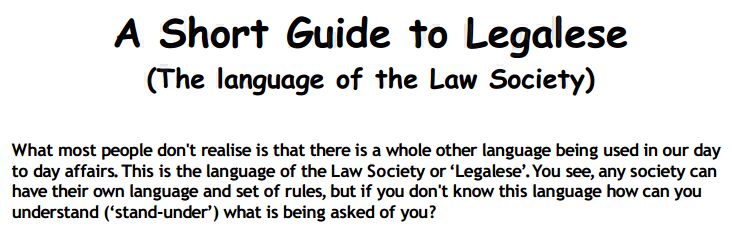
Here are the main roles you’ll see mentioned.
Settlor
The settlor is the person who owns the policy and creates the trust. In most cases, that’s you.
Trustee
The trustee is responsible for distributing the policy proceeds according to the instructions in the trust.
Often the settlor acts as trustee during their lifetime.
Beneficiaries
The beneficiaries are the people who will ultimately receive the proceeds of the policy.
Appointor
The appointor is the person who can appoint new trustees after the original trustee dies.
Over to you
This stuff can get confusing and there are pitfalls to avoid.
While insurers provide trust forms, they do not provide advice on whether a trust is appropriate or how it should be structured.
For that reason it’s usually best to speak with a solicitor before setting up a trust.
Once you understand the legal side of things, we can help make sure the life insurance policy itself is arranged correctly.
Thanks for reading
Nick
Editor’s note: This article was originally published in 2017 and fully reviewed and updated in March 2026.

Written by Nick McGowan, QFA RPA APA
Nick is a qualified financial advisor and founder of Lion.ie, a multi-agency Irish life insurance and income protection brokerage based in Tullamore. He’s been helping people secure fair, transparent cover for over 15 years and was named Protection Broker of the Year 2022.
If you’d like straight answers without the sales pitch, learn more about Nick here.