


Last updated on: June 17, 2026
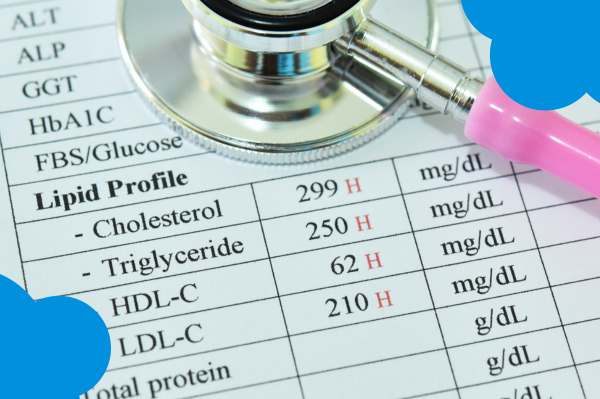
Yes, you can get life insurance with high cholesterol. Most carriers approve applicants whose cholesterol is managed with medication or lifestyle changes—often at Standard or Standard Plus rates. Uncontrolled or very high levels (above 300 mg/dL) may result in higher premiums, but an independent broker can match you with the most favorable carrier.
Qualifying for life insurance with high cholesterol levels is possible. With proper research and talking to the right professionals, you can save lots of money. If you are reading this post because you are one of those who despite having health issues are looking for ways to protect their families in case of an unfortunate event, then you are at the right place.
Having high cholesterol can increase your likelihood of having a heart attack, heart disease, or stroke. Naturally, if you have high cholesterol, there are probably some important questions you are going to want to ask your doctor. But there are also some important questions you will want to ask your life insurance provider.
According to the CDC, about 10% of U.S. adults aged 20 and older have total cholesterol above 240 mg/dL (“high”), while nearly 86 million—roughly 2 in 5 adults—have levels at or above 200 mg/dL (borderline high or higher).1
We take a look at how—even if you are one of the million Americans with high cholesterol—life insurance is something that is still well within your reach.
Related: High cholesterol is one of the most common pre-existing conditions insurers evaluate. See our full guide on life insurance with pre-existing conditions for an overview of how all health conditions affect coverage.
Getting Life Insurance With High Cholesterol – How Will It Affect My Cost?
There are many different variables that affect the cost of a life insurance policy. Things such as your age, your desired amount of coverage, and your life insurance provider are all very relevant. Many life insurance policies will also require a detailed medical examination.
Because high cholesterol has a negative effect on your life expectancy, it may cause your monthly life insurance premiums to increase. These increases vary tremendously between different life insurance providers, so it is important to do your research and compare your options. Fortunately, though your rates may be marginally higher due to having high cholesterol, you will very rarely be outright rejected by life insurance companies because of this condition alone.
If you are able to lower your cholesterol back to a normal level at some point in your life, many life insurance providers will reward you by lowering your monthly premiums.
What Are the Different Types of Life Insurance Policies That Are Available?
Though life insurance is usually considered to be a relatively straightforward financial asset, it is important to recognize the differences between policies. As for someone getting life insurance with high cholesterol, there are few things that you need to know about each of them:
- Universal life insurance covers you for your entire life, provides the benefits of having a cash value, and is usually the most expensive. This is the kind of life insurance that having high cholesterol will affect the most.
- Term life insurance covers you for a specific amount of time and is more affordable than universal life insurance. Having high cholesterol may affect the cost of a term policy, but the extent of this effect will usually be limited.
- Guaranteed life insurance is the easiest type of life insurance to qualify for and does not require a medical exam. With a guaranteed policy, having high cholesterol will usually be irrelevant.

What Is the Best Type of Life Insurance for Someone with High Cholesterol?
The type of life insurance policy that is best for you—whether you suffer from high cholesterol or not—will depend on your age and personal financial goals.
For individuals with elevated cholesterol, applying for a guaranteed life insurance policy is often quite appealing due to the lack of a medical exam. However, some individuals believe that the increased premiums associated with having cholesterol issues are already “built-in” to the costs of these policies. If other than having high cholesterol, you are young and healthy, you may be able to find a greater amount of coverage with a more exclusive policy.
Because there are so many variables involved when underwriting a life insurance policy, there is no single policy that can be considered “the best” for everyone. But if you take the time to compare different life insurance providers, compare the various policies offered by these providers, and have a clear outline of your financial goals, you should be able to find a policy that will work for you (regardless of your high cholesterol).
If you have any questions, please feel free to call our life insurance specialists at LifeQuote. 800-521-7873.
Explore related guides: Life Insurance for Diabetics · Life Insurance with High Blood Pressure · Life Insurance with Cancer · Life Insurance After a Heart Attack · Life Insurance for Overweight Individuals
Ready to compare? Get free life insurance quotes from top-rated carriers in seconds—no obligation.
Frequently Asked Questions
What cholesterol numbers do life insurance companies look at?
Underwriters evaluate your total cholesterol, LDL (“bad”) cholesterol, HDL (“good”) cholesterol, and the total/HDL ratio. A total cholesterol below 200 mg/dL with an LDL below 130 mg/dL is generally considered favorable. A total/HDL ratio under 4.5 is ideal for Preferred rates.
Can I get Preferred rates if I take cholesterol medication?
Yes. Many carriers offer Preferred or Standard Plus ratings to applicants on statins or other cholesterol-lowering medication, as long as your treated levels are well-controlled (typically total cholesterol under 250 mg/dL). Some carriers are more lenient than others, which is why comparing through an independent broker matters.2
How does the cholesterol ratio affect my life insurance rate class?
The total cholesterol-to-HDL ratio is often more important than total cholesterol alone. A ratio under 4.0 is excellent (Preferred Plus territory), 4.0–5.0 is good (Preferred/Standard Plus), and above 6.0 may push you to Standard or below. Raising your HDL through exercise can improve this ratio even if total cholesterol stays the same.
Will losing weight lower my life insurance premiums if I have high cholesterol?
Potentially yes. Weight loss often improves cholesterol levels, blood pressure, and BMI—all factors in underwriting. If your numbers improve, most carriers allow a rate reconsideration after 12–24 months. You may move from Standard to Preferred, resulting in meaningful premium savings.
Should I apply for life insurance before or after starting cholesterol medication?
Generally, it’s better to apply after your medication has brought your levels under control—typically 3–6 months after starting treatment. Controlled cholesterol on medication usually gets a better rating than elevated untreated cholesterol. Your broker can advise on optimal timing.
Is high cholesterol alone enough to decline my application?
Almost never. High cholesterol by itself rarely leads to a decline. Carriers are far more concerned when high cholesterol is combined with other risk factors—uncontrolled blood pressure, diabetes, smoking, or a history of cardiac events. If cholesterol is your only issue, multiple carriers will offer coverage.
Learn more: What Is a Term Life Insurance Policy? — our comprehensive guide to term coverage.
References
1. CDC – Cholesterol Facts and Statistics – Prevalence data for high cholesterol among U.S. adults.
2. LIMRA – 2025 Insurance Barometer Study – Underwriting trends and approval-rate data.
3. AHA – About Cholesterol – Cholesterol thresholds, ratio guidance, and treatment recommendations.