

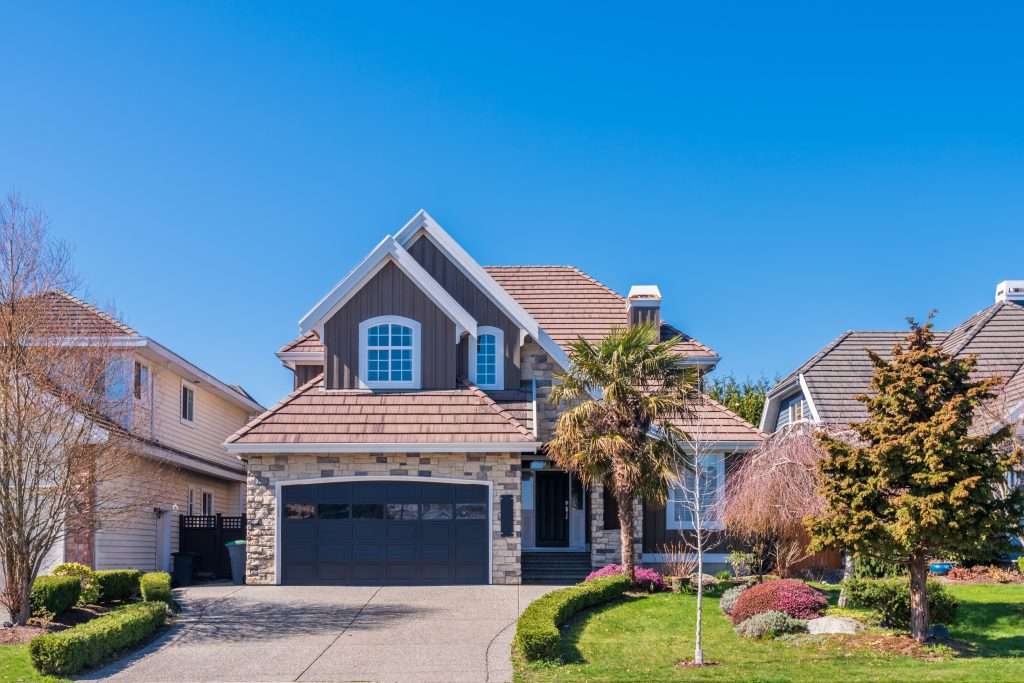

Home insurance is a key part of protecting your most valuable asset, but premiums have been rising in recent years due to increasing rebuilding costs, severe weather losses, and other market pressures. While some factors that influence your cost are out of your control, there are smart, practical steps homeowners can take to lower their home insurance premiums without sacrificing necessary protection. The Insurance Information Institute highlights that shopping around, adjusting coverage, and risk mitigation can all contribute to savings.

How Insurers Determine Your Premium
Insurance companies calculate premiums using many factors that reflect the risk of loss. Primary cost drivers include:
- Location risk associated with local weather hazards and crime trends
- Home characteristics such as construction type, age, and replacement cost
- Coverage selections, like your deductible and policy limits
- Claims history, which shows insurers how often losses occur
- Discounts and credits you qualify for based on safety features or policy choices
Understanding these factors sets the stage for making informed decisions to reduce your premiums.

Practical Ways to Lower Your Home Insurance Premium
Below are widely recommended strategies based on industry and insurer guidance.
Adjust Your Policy Structure
These adjustments focus on how your policy is designed:
Increase your deductible
Choosing a higher deductible can meaningfully lower your annual premium because you take on more of the initial cost if a claim is filed. Insurer risk models reward higher deductible amounts with lower pricing.
Align coverage limits with needs
Work with your agent to ensure your coverage and limits reflect your current rebuild cost and personal priorities, without unnecessary extras that elevate premiums.
Take Advantage of Discounts
Many homeowners insurance discounts are available if you qualify, and most carriers apply them once they’re aware of your eligibility:
- Bundling policies such as home and auto insurance often results in significant savings.
- Security system credits, including alarms, monitored systems, and safety devices.
- Loyalty or claims-free discounts when you remain claim-free for a period of years.
- New home discounts or credits for updated systems in newer homes.
- Payment method savings for paying in full or setting up automatic payments.
Because discount availability varies by insurer and state, it’s worth asking your provider what you qualify for.
Improve Your Home’s Risk Profile
Reducing the likelihood or potential severity of losses makes your home less risky to insure:
- Install safety and security features such as smoke detectors, deadbolts, and monitored alarms.
- Invest in weather-resistant upgrades, such as reinforced roofing or impact-resistant doors, especially in hazard-prone regions.
- Schedule risk-focused inspections, like a windstorm mitigation inspection in hurricane-exposed areas, since positive results can qualify you for premium credits.
Insurers often reward these measures because they reduce claims likelihood.

Strengthen Your Financial Profile
Some personal risk characteristics factor into how insurers price your policy:
- Maintain a clean claims history by self-insuring smaller issues you can afford without filing a claim.
- Monitor and manage your credit where permitted because strong credit can correlate with better premium pricing under insurer risk models.
A strong financial profile signals lower risk to insurers and often results in lower premiums.
Shop and Compare Quotes Regularly
One of the most effective ways to lower your premium is to evaluate multiple options:
- Request quotes from different insurers to see where you can get the best price for similar coverage levels.
- Work with independent agents or brokers who can help compare offerings and uncover discounts you might miss.
Comparison shopping fosters competition and helps you find premiums that better match your budget.
Other Helpful Considerations
Here are additional steps that can contribute to savings and smarter policy management:
- Review your policy annually to eliminate outdated coverage or ensure you’re capturing new discounts.
- Avoid over-buying coverage beyond your real rebuild cost needs.
- Plan preventive maintenance to avoid claims that could raise rates over time.
Being proactive helps ensure you’re not paying more than necessary for protection.
Final Thoughts
Lowering your home insurance premium does not mean sacrificing the coverage you need. By adjusting your policy design, securing available discounts, improving your home’s risk profile, and comparing options regularly, you can reduce costs while maintaining strong protection. These common-sense strategies help you manage home insurance expenses without compromising financial security or peace of mind.

Frequently Asked Questions
Will raising my deductible really lower my premium?
Yes, increasing your deductible usually lowers your premium because you share more risk with your insurer. Just make sure you have the funds to cover the higher deductible if you need to file a claim.
Do insurers offer discounts for safety features?
Yes, many carriers provide credits for installing alarms, monitored systems, or other safety enhancements that reduce the risk of loss.
How often should I compare home insurance quotes?
Shopping around annually or whenever your policy is up for renewal can reveal better pricing or discounts you weren’t previously aware of.
Can bundling home insurance with other policies lower my cost?
Yes, bundling multiple insurance products often results in discounts that lower your overall premiums.
Does where I live affect my home insurance premium?
Absolutely. Homes in areas with higher risk for weather events or crime typically have higher premiums than homes in lower-risk locations.