

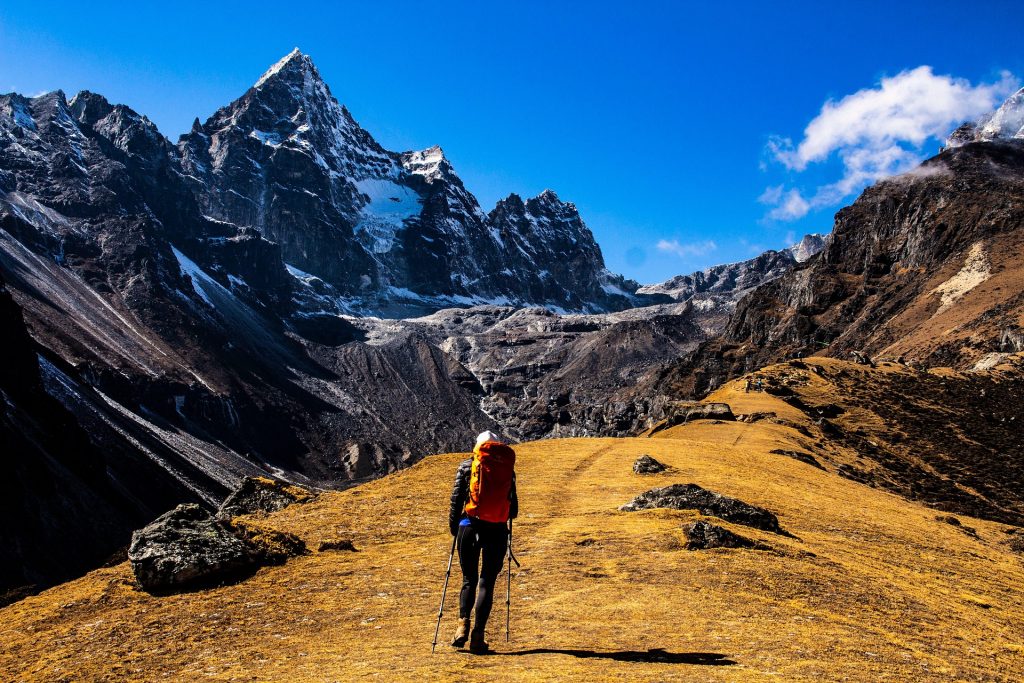

Whether you like to visit unusual destinations, remote parts of the world, or places regarded as hot-spots for dark tourism, you need to pay extra attention to the validity of your travel insurance. We highlight key considerations so you know what to ask your provider to ensure you have adequate cover.
CC0 via pixabay
Travel insurance for destinations with FCDO travel warnings
The UK Government issues foreign travel advice for destinations worldwide. Some destinations come with environmental warnings, such as risk of landslides or earthquakes, social warnings such as crime, and political warnings such as civil unrest or war. Depending on the severity of risk the location will show as one of the following three:
- No Advice Against Travel (Safe to Travel) – Normal risk-levels where the usual precautions should be taken. Make sure you get adequate travel insurance.
- Advice Against All but Essential Travel – There are known serious risks to safety, only go if the trip is critical for business or there is a family emergency. Be warned: Travelling against this advice will typically invalidate standard travel insurance.
- Advice Against All Travel – The threat to your safety and security is unacceptably high. If you choose to travel expect a total invalidation of your travel insurance policy and accept that access to consular assistance will be either non-existent or very limited.
Travel insurance for remote areas
There are a number of risks that you need to be aware of when travelling to remote regions. Being aware of them means you can make decisions to mitigate risk or accept that there are some situations where help will not be readily available. You must declare these risks to your travel insurance provider.
Remote locations usually have limited emergency access. Know beforehand what is and isn’t available where you are going and pack supplies and equipment to keep you safe and well.
Rural emergency response times abroad can be very slow. Check how many hours, or even days you may be away from medical assistance if required. It’s all well and good getting a rabies shot, but if you are more than 2 days away from a hospital, you won’t get the help you need in time.
Lack of reliable communication could affect your trip, especially if your trip does not go to plan. Again, knowing the risks ahead of time can make a big difference to your safety. Let people know your itinerary so help can be sent if comms fail and you don’t return when expected. Do not rely on online or digital maps!
Isolated areas can make you more exposed to threats from other people such as assault or theft, or attacks from wild animals.
Travel predictability of remote locations raises risk of missed connections and tours, or not getting to pre-booked accommodation.
Good to know: Standard travel insurance can provide cover for medical assistance, repatriation, stolen belongings, missed connections and costs incurred should something not go to plan. Make sure you speak to your insurance provider about your specific itinerary so they can find the right cover for your needs.
Travel insurance for high risk activities
If you are on an adventure trip where the risk is higher than your typical getaway, the usual solution is to get specialist travel insurance that provides cover for the activities you have planned. High risk activities can cover a multitude of things from off-piste skiing to hiking the Sahara desert. The other options for hard-to-insure activities is to accept that you will be uninsured should anything happen.
Destinations where the environmental risk is high, such as entering radiation zones or places with extreme weather exposure require specialist cover, or are put down as an exclusion.
Travel insurance for adventure-style activities such as mountaineering, skiing, scuba diving, abseiling, white water rafting etc. is often part of a standard policy but there are likely to be restrictions or endorsements to ensure you are covered should anything go wrong. You must declare the activities you plan to do to make sure the level of cover is understood.
Visiting unstable ruins or abandoned buildings should only be under the supervision of an insured, licensed tour operator. It is an error to assume that abandoned sites have permitted access, and tours operated by unofficial or unlicensed tour guides are not covered by travel insurance. Remember: Unlicensed or Illegal access = no cover
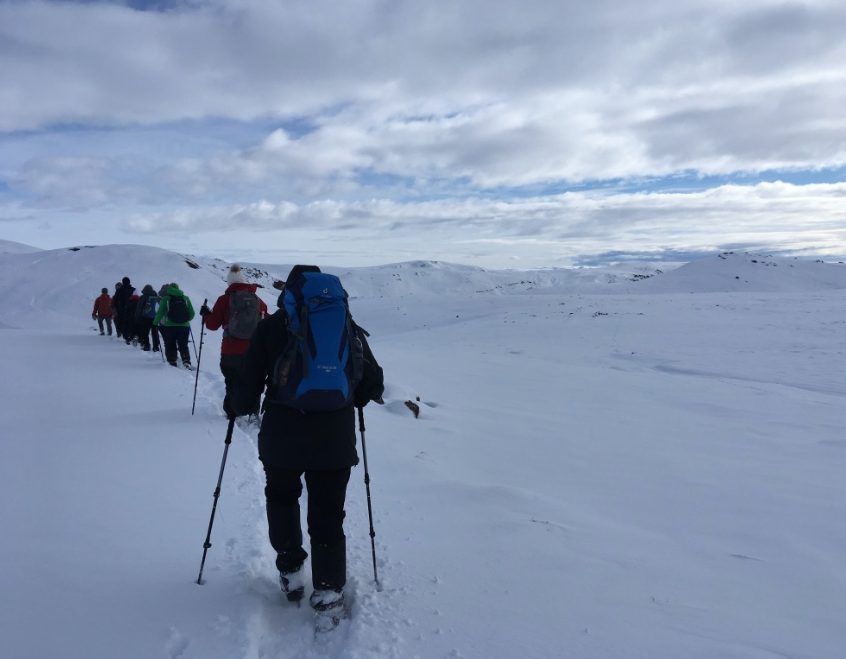
Image © 43kcreative.com
Activities that will typically invalidate your travel insurance
Even if you’ve disclosed your itinerary in great detail with your travel insurance provider, you could still be at risk of invalidating your insurance – here are some of the most common things people do without realising the consequences:
- Assuming abandoned sites allow access
- Going off-route from guided tours or permitted areas
- Partaking in undeclared adventure-style activities
- Urban exploration in abandoned, restricted, or unsafe areas
- Going on unofficial or unlicensed tours
- Visiting politically sensitive regions
Get Adventure Travel Insurance Today – No Fuss Instant Quote!
Get an instant online travel insurance quote or call us on 01892833338 to get the cover you need in case the unexpected happens on your next adventure.