

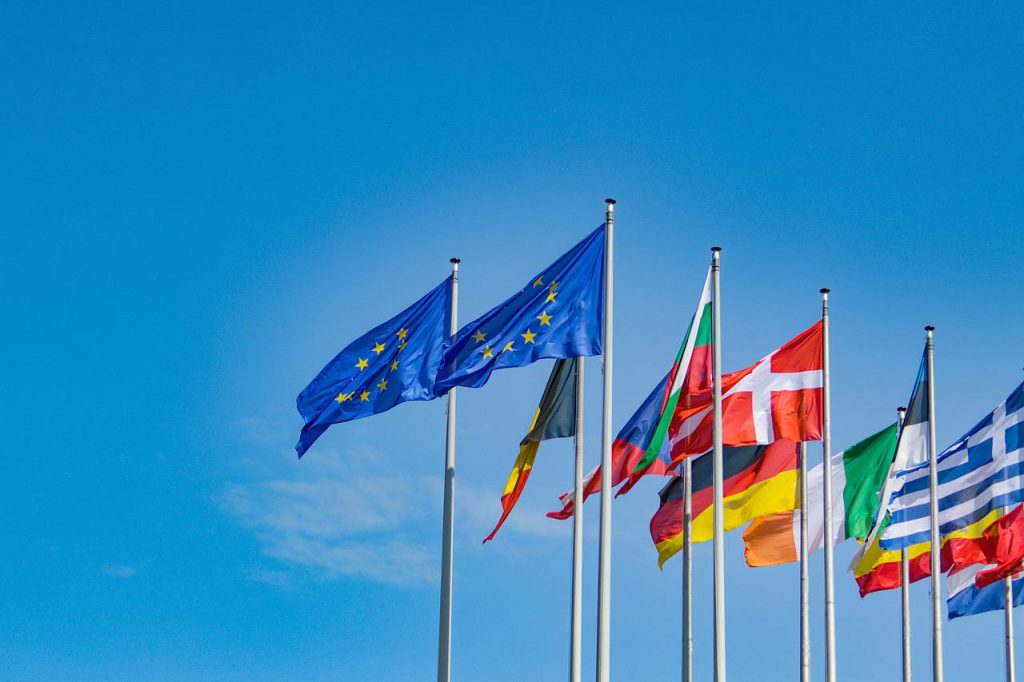

With new rules in place, travel to and from the EU for British holidaymakers is set to change – and it could cause more disruption than you’ve bargained for. We take a look at how the The EU Entry/Exit System (EES) could impact your travel plans, and whether you can do anything ahead of time to minimise disruption to your upcoming holiday.
Image by Dusan_Cvetanovic CC0
What is the EU Entry/Exit System?
It is a new form of border security that uses biometric data (photo and fingerprints) to keep track of non-EU nationals visiting any EU country in the Schengen area. It has been designed to replace having a passport stamped on entry and exit, but it has added levels of security to ensure that anyone entering provides information about where they will stay and that they can afford to be in the country.
Digitising this process also means that border forces can keep tabs on people going over the 90 day rolling limit. You can read about it in great detail on the .gov website.
How will the EU Entry/Exit System affect me?
The new system has been phased in since October last year, with the official “switch on date” being 10th April this year.
Just a few weeks on and it is clear that the phasing in did not go as planned, with many border controls still not having sufficient equipment to process travellers yet to register their biometrics. Ones that are already established have also faced technical difficulties with the software adding to the delays.
This means that more people than expected need to still register as they enter the EU, causing significant delays at border controls, and instances where these delays have caused people to miss their flights. Even with additional time planned in for the delays, travellers are still experiencing huge queues both to get into the EU and to exit again.
Once I’ve completed biometric registration is it guaranteed that the EES won’t cause me further delays?
Sadly not. Travellers have reported that border control at many entry and exit points does not have a separate queue for those who have already registered. So while you might well save a few minutes because you don’t need to provide the information, you could very likely be stuck behind many passengers who are yet to register.
How to reduce the risk of delays ahead of the busy holiday season.
The European Commission has acknowledged that the new system is having a negative impact on travel, and to help ease delays at certain borders it has said it will temporarily suspend checks at extremely busy times over the upcoming holidays. But there are some things that you can do that may help – or not – depending on whether various border controls sort a separate queuing system out for those who have already registered.
1: See if you are exempt from EES requirements. There are some people who will not need to register their biometrics, knowing that you don’t have to could ease holiday anxieties.
2: See if your departure point completes the biometric registration before you arrive in the EU – doing it this side could mean you avoid delays on entry to the EU.
3: Download the EES app and register as much as you can in the run-up to your holiday.
4: Consider taking a day trip via Eurostar, Eurotunnel, or by Ferry just to get the biometrics done. The process is slightly different for these types of entry in the EU, there are special kiosks where passengers can add their biometric information before travel, and in some cases the requirement is deemed discretionary.
Good to know before you go:
- Children under 12 only need to register their photo, no fingerprints are required
- If you are on a cruise that stops at EU ports but starts and finishes outside the Schengen area, you will not need to use the EES.
- Your reasons for travel – such as for study or work could mean that you do not need to use EES – see the full list of exemptions.
- Your information is held for 3 years, so once it is done, that’s it for a while!
Anything else you should know about EES?
There is a wealth of information out there – check out the official EU EES website, or go straight to their FAQs!
Get EU Travel Insurance Today – No Fuss Instant Quote!
Get an instant online quote or call us on 01892833338 to get the cover you need in case the unexpected happens on your next trip to the EU!