



According to Skyscanner’s Travel Trend Report, many travellers are considering or planning a trip to the mountains this year. If a trip to a high-altitude destination is in your future, such as a mountaineering adventure in Nepal or a leisurely visit to Mexico City, it’s important to know about altitude sickness and how to prevent it. Read on to learn more about altitude sickness and how your travel insurance works in the unfortunate event of altitude sickness.
What is altitude sickness?
Altitude sickness is a serious condition that can require emergency medical attention, even in mild cases. It’s triggered by a lack of oxygen often experienced at higher altitudes. Symptoms range from suppressed appetite, headache, nausea, and fatigue, and can even result in shortness of breath, confusion, clumsiness and drowsiness. This is why altitude sickness is something to look out for, especially on mountaineering expeditions. For example, travellers frequently suffer from altitude sickness when visiting the city of Cusco, Peru on route to Machu Picchu.
Preventing altitude sickness
As a rule-of-thumb, it’s best to prepare for altitude sickness when the destination you’re visiting is around 2500 metres in elevation or higher. As recommended by HealthLink BC, here are some ways to prevent altitude sickness on your next trip:
- Acclimatize to the higher altitude by spending some time at a medium altitude before going higher (e.g. One night in Banff before visiting the Rocky Mountains)
- Do not fly directly into high altitude cities – fly into an airport nearby and commute to gradually adjust to the altitude
- Avoid consuming large meals and alcohol, and intense physical activity upon arrival
- Stay hydrated – drink lots of water prior to and after reaching your destination
- Book lower-altitude accommodations – sleep at an altitude lower than the altitude you spend the day at
- Take medicines before your arrival – talk to your doctor about recommendations
Travel Insurance for Altitude Sickness

TuGo offers two kinds of travel insurance that may come in handy in the event of altitude sickness:
Emergency Medical Insurance
TuGo’s Emergency Medical Insurance plan may cover unexpected medical expenses acquired due to altitude sickness on your trip such as hospital visits, ambulance services, or prescription drugs. We also offer Sports & Activities Coverage which can be added onto our Emergency Medical Insurance plans for those participating in extreme sports like backcountry skiing or snowboarding, mountaineering, or ice climbing.
Trip Interruption Insurance
TuGo’s Trip Interruption Insurance is a good idea for those visiting high-altitude destinations because it covers the prepaid costs of your trip if it’s unnecessarily cut short due to altitude sickness. It also handles the costs of any additional out-of-pocket expenses that result from the interruption.
Lucas’ Mountaineering Emergency | Real-Life Traveller Claim Story
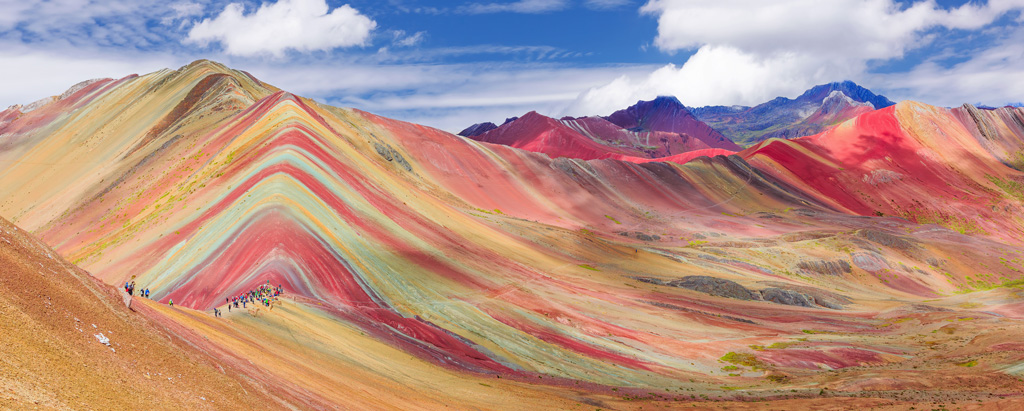
Lucas*, an avid 26 year-old traveller, knows all about the benefits of Emergency Medical Insurance when it comes to altitude sickness. When mountaineering with his friends in the Andes, he started experiencing early symptoms. Eventually, Lucas’ condition worsened to the point where he was too weak to continue his journey. So, his group had him airlifted to Cusco where he spent the night in the hospital. Luckily, after treatment, Lucas fully recovered. Prior to his trip, he had purchased TuGo’s Sports & Activities Coverage along with Emergency Medical Insurance, knowing the risks of mountaineering, over a 6000-metre elevation. This choice saved Lucas over $16,000 in unexpected expenses, protecting both him and his wallet.
*These examples are based on actual claims with specific traveller details changed to protect privacy.
Preparation is a part of any good adventure. So, the next time you visit a high-altitude destination, don’t forget to follow these tips to prevent altitude sickness and get the right coverage in case things go awry.
Until next time,
Jacqueline